
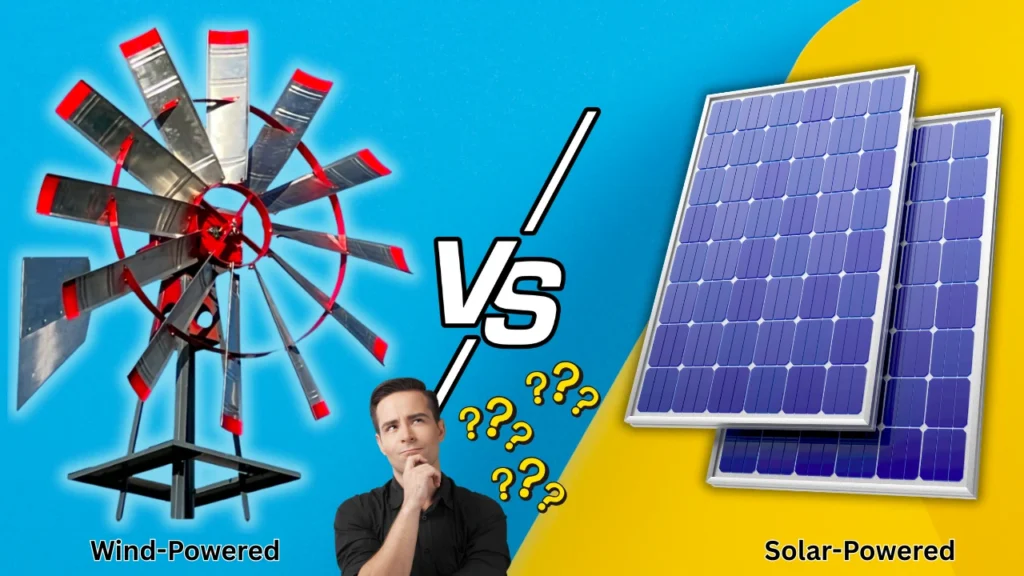
Wind vs. Solar: Which Pond Aerator Is Better?
Feb
Pond aeration plays a crucial role in maintaining healthy water ecosystems. Proper aeration improves oxygen levels, reduces algae growth, supports fish and beneficial bacteria, and keeps water clear and balanced. Two popular renewable energy–powered aeration systems are wind-powered pond aerators and solar-powered pond aerators.
Both offer eco-friendly alternatives to traditional electric aerators, but they differ significantly in performance, cost, and reliability — especially based on your climate and site conditions.
Let’s dive into how each option stacks up.
🌬️ Wind-Powered Pond Aerators
Wind-powered aerators use a windmill or turbine to drive an air pump or agitator that pushes oxygen into the water. These are mechanical systems that transform wind energy directly into aeration power — no batteries required.
Pros of Wind-Powered Aerators
✔ Consistent Aeration in Windy Areas
If your pond sits in an open, breezy location, windmills can deliver steady aeration with minimal maintenance.
✔ Low Ongoing Costs
Once installed, the system runs on an endless, free energy source — wind — with no electricity bill or fuel required.
✔ Simple Mechanics
Mechanical simplicity means fewer electronics to fail. Many models are built to last decades with basic maintenance.
✔ Works Day and Night
Unlike solar options, windmills can operate continuously — including nighttime — as long as the wind is present.
✔ No Battery Bank to Replace
Solar systems often need batteries to run at night or during cloudy days. Wind aerators avoid that added expense and environmental waste.
☀️ Solar-Powered Pond Aerators
Solar aerators use photovoltaic panels to capture sunlight, convert it into electricity, and power an aeration pump. They’re clean, quiet, and ideal for sunny climates.
Pros of Solar-Powered Aerators
✔ Clean, Quiet, Low-Maintenance Operation
Solar panels produce electricity silently with no moving parts (except the pump).
✔ Great in Sunny Climates
If your pond gets full sun daily, solar can be extremely efficient and effective.
✔ No Fuel or Wiring Needed
Solar systems are standalone and don’t need utility power or fuel.
✔ Modular and Scalable
It’s easy to add more panels or batteries if you want increased capacity.
❌ Cons of Solar-Powered Aerators
⚠ Limited by Sunlight Availability
Solar systems generate power only in daylight, and performance drops with cloud cover, shade, or angle of sunlight.
⚠ Batteries Add Cost and Maintenance
To aerate at night, you generally need a battery bank — adding upfront costs, limited lifespan, and eventual replacement.
⚠ Reduced Performance in Winter
Short winter days and low sun angles mean less output when aeration might be most needed.
⚠ Panels Can Be Vandalism Targets
Solar panels mounted near water, easily seen, or accessible can be damaged — intentionally or by storms.
❌ Cons of Wind-Powered Aerators
⚠ Wind-Dependent
In areas without regular wind, performance can lag. However, typical rural/open settings often have sufficient wind.
⚠ Physical Structure
Windmills are visible and mechanically larger than low-profile solar panels, which may be a concern for some aesthetics — though many find them charming.
⚠ Occasional Maintenance
Moving parts mean occasional lubrication and checks — but usually less frequent and cheaper than battery system replacements.
🏁 Head-to-Head: Wind vs Solar
| Feature | Wind-Powered Aerators | Solar-Powered Aerators |
|---|---|---|
| Renewable Energy Source | ✔ Wind | ✔ Sun |
| Power Day & Night | ✔ (with wind) | ⚠ (needs batteries) |
| Reliable Across Seasons | ✔ Moderate | ⚠ Solar weaker in winter |
| Maintenance Cost | Low | Medium–High (due to batteries) |
| Lifespan | Long (gear/pump wear) | Shorter (battery degradation) |
| Initial Cost | Moderate | Moderate (higher with batteries) |
| Operation Cost | Free | Free (no fuel) |
| Environmental Footprint | Very Low | Low (batteries impact) |
🧠 Why Wind-Powered Aerators Often Win
While both systems have advantages, wind-powered pond aerators tend to offer better long-term value and reliability, especially if your site has regular wind:
✅ They don’t rely on sunlight or battery storage — so aeration continues through nights, cloudy spells, and winter.
✅ With fewer electronic parts and no battery replacement, they have lower lifetime maintenance costs.
✅ They harness a consistent natural resource that often aligns with the times aeration is most needed — when temperature stratification reduces oxygen levels and wind persists.
In contrast, solar systems can be excellent for small, sunny-exposed ponds, but their effectiveness dips quickly when sunshine is limited or when battery systems degrade.
Final Verdict
🌿 Wind-Powered Pond Aerators are generally the better solution for eco-friendly, low-maintenance, and year-round pond health — provided your site sees adequate wind.
If your property is sunny but not particularly windy, solar can be a strong contender, but only with thoughtful battery planning.
Tip for Pond Owners
Before choosing, assess your pond’s:
-
Wind exposure
-
Sunlight patterns
-
Seasonal needs
-
Budget and maintenance tolerance
A simple site evaluation will point you toward the right renewable aeration choice — and for many, that ends up being the timeless power of wind.

Pond Aeration Benefits: Why Some Aquatic Weeds and Algae Are Good for a Healthy Pond
A crystal-clear pond may look beautiful, but a completely weed-free pond is not always the [...]
Apr

What Size Aerator Do I Need for a 1-Acre Pond?
If you have a 1-acre pond, choosing the right aerator isn’t about picking the biggest [...]
Mar

Why Rising Energy Costs Make Windmill Pond Aerators the Smart Choice
Energy prices around the world are under increasing pressure. Global geopolitical tensions, growing energy demand, [...]
Mar

How to Get Rid of Duckweed Algae in Your Pond (And Keep It from Coming Back)
Duckweed may look harmless at first, but when it spreads across the surface of your [...]
Mar

Best Ways to Get Rid of Cattails in Your Pond (And Keep Them From Coming Back)
Cattails may look natural along the shoreline, but if left unchecked, they can quickly take [...]
Mar


5 Questions to Ask Before Buying a Wind-Powered Pond Aerator
Purchasing a wind-powered pond aerator is an investment in your pond’s health, so don’t settle [...]
Feb

Top 10 Reasons to Choose a Joe Mescan Windmill Pond Aerator
Looking for the best wind-powered pond aerator? Joe Mescan Windmills lead the industry for a [...]
Feb
